

By Emma Williams
The global landscape is marked by two intersecting challenges—rising forced displacement and evolving climate commitments. Each reflects the growing urgency of global crises, and both demand sustained attention from nations and communities, even here in Conifer.
Displacement in Focus: Numbers and Realities
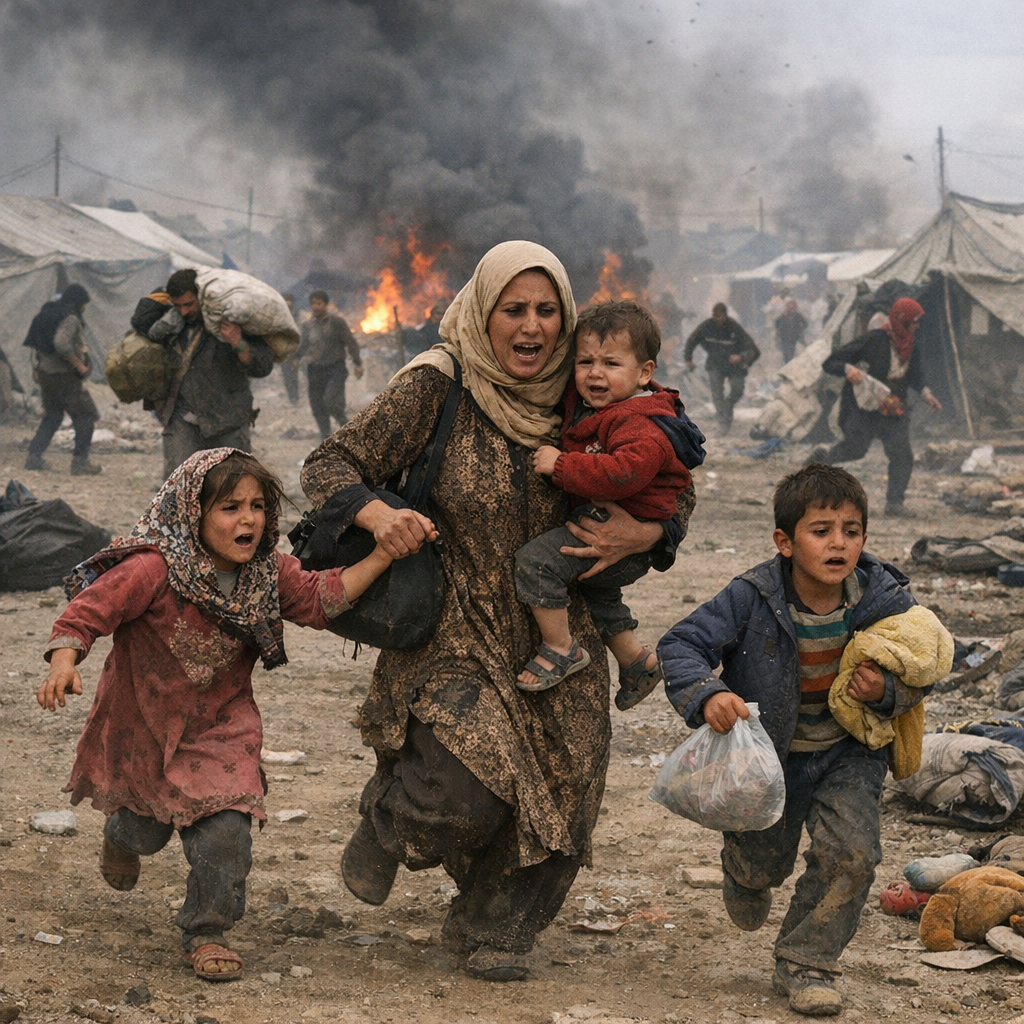
At the end of 2025, nearly 118 million people had been forced from their homes by conflict, persecution, or violence worldwide—making it one of the highest totals ever recorded. While that’s a drop of about 5 million from the previous year, many of the returns home have been under duress or into conditions that remain unsafe.
Key hotspots include Sudan, which is experiencing the largest displacement crisis globally, both internally and across its borders. Syria and Afghanistan also continue to contribute large numbers to the global refugee population. In many cases, people remain displaced not for months, but for years, with limited access to essential services, education, or livelihoods.
International Climate Commitments: Progress and Gaps
The Paris Agreement’s mechanisms, including emission reduction pledges called Nationally Determined Contributions (NDCs), remain central to global climate action. As of March 2026, over 130 out of 194 Parties had submitted updated NDCs covering many to come, with most setting goals toward 2035.
Despite this, the IEA warns that even with all new pledges in place—and accounting for conditional support from wealthier countries—global energy-related CO₂ emissions are projected to rise slightly each year until 2035. Only under full implementation of conditional commitments do emissions begin to see a marginal decline.
The Transparency and Accountability Frontier
A critical part of the climate framework is ensuring that nations submit reporting documents like Biennial Transparency Reports (BTRs) and National Communications. As of mid-2026, many Parties have made progress, outlining where they stand and what they plan, but dozens have still missed required reporting deadlines.
Why It Matters for Us Locally
While Conifer lies far from frontline disaster zones or geopolitical flashpoints, global displacement has local ripple effects—from refugee resettlement policies to economic pressures on aid programs. Meanwhile, climate change and emissions trajectories influence weather, wildfire risk, water resources, and health here in Colorado.
Engaging with these issues means supporting international cooperation, advocating for fair climate policies, and staying informed about who bears the heaviest burdens—and why.